• 99%+ purity, third-party tested
  • Malaysia-based supplier, fast local delivery
  • Pay by Touch 'n Go QR, confirm on WhatsApp
  • For research use only
  • 99%+ purity, third-party tested
  • Malaysia-based supplier, fast local delivery
  • Pay by Touch 'n Go QR, confirm on WhatsApp
  • For research use only

All products are for laboratory research use only. Not for human consumption.

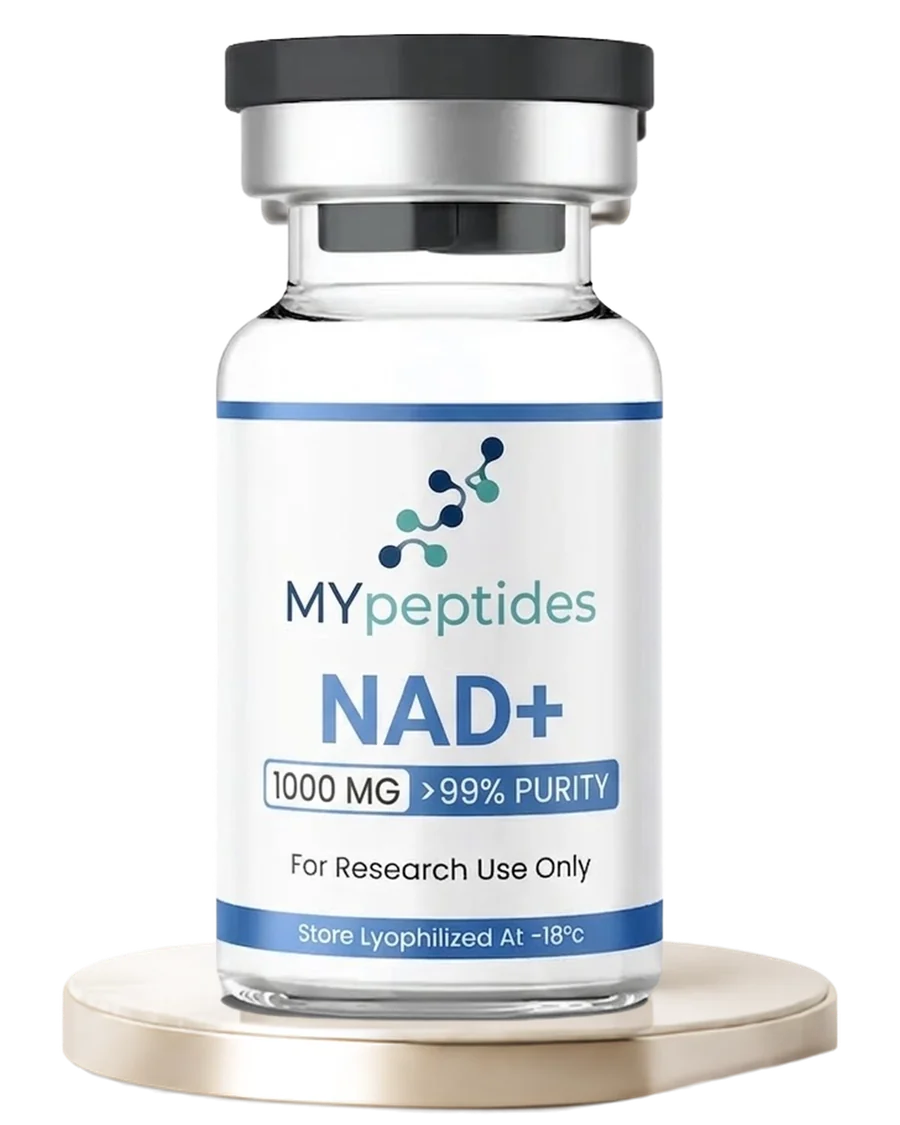
NAD+ 1000 mg research peptide vial, >99% purity

Longevity · Longevity Neuroprotection

The Cellular Powerhouse

NAD+

  • 1000 mg
  • >99% purity
  • Lyophilised

RM 460

Ignite your cellular fuel. NAD+ 1000 mg replenishes your body’s vital longevity molecule, turning back the clock on depleted energy from the inside out.

Key mechanisms & benefits

  • It activates natural repair pathways, protecting your cells and leaving you glowing with ageless strength.
  • By optimizing mitochondrial power, it transforms deep fatigue into steady, all-day energy.
  • It clears mental fog and amplifies focus, leaving you brilliantly sharp and effortlessly in flow.
Certificate of Analysis

All products are independently tested by accredited third-party laboratories. Results confirm identity, purity, and potency.

In stock

1
  • No online payment. We confirm your order on WhatsApp.
  • Store lyophilised at −18 °C.
Ask about this product

For research use only. Not for human or veterinary consumption. This product is not a medicine and is not intended to diagnose, treat, cure or prevent any disease.

Overview

The Coenzyme in Every Cell: NAD+ in Ageing and Metabolism Research

Nicotinamide adenine dinucleotide (NAD+) is a coenzyme found in all living cells. It carries electrons in the redox reactions that produce cellular energy, and it is the co-substrate consumed by sirtuins and poly(ADP-ribose) polymerases (PARPs), enzymes involved in gene regulation and DNA repair.

Cellular NAD+ levels decline with age, and restoring them in old or diseased animals has improved health measures and, in some models, extended lifespan. In humans, a 2026 systematic review found that oral NAD+ precursors raise NAD-related biomarkers and are well tolerated, but that clinical benefits are inconsistent, and that no outcome trials have yet evaluated intravenous or intramuscular NAD+ itself.

Mechanism of action

Redox Coenzyme

Fuel for Cellular Energy

Carries electrons between metabolic reactions

  • Essential coenzyme for oxidation-reduction reactions
  • Central to glycolysis, the TCA cycle and oxidative phosphorylation
  • Cycles between NAD+ and its reduced form, NADH
  • Present in every living cell
  • Verdin E, Science, 2015
Sirtuins & PARPs

Signalling and DNA Repair

Consumed as a co-substrate by regulatory enzymes

  • Sirtuins use NAD+ to regulate gene expression and metabolism
  • PARPs consume NAD+ during DNA repair
  • NAD+ levels rise and fall with food intake, exercise and time of day
  • Controls hundreds of processes via NAD+-sensing enzymes
  • Verdin E, 2015; Rajman L et al., Cell Metab, 2018
Age-Related Decline

Restoring NAD+ in Animal Models

Raising NAD+ improved health measures in ageing mice

  • NAD+ availability decreases with age
  • 12 months of the precursor NMN mitigated age-related decline in mice
  • NMN improved energy metabolism, insulin sensitivity and physical activity
  • No obvious toxicity in the mouse study
  • Mills KF et al., Cell Metab, 2016

Key finding NAD+ levels decline with age, and restoring them in old or diseased animals can improve health and extend lifespan; in mice, 12 months of the NAD+ precursor NMN mitigated age-associated physiological decline without obvious toxicity.

Key research findings

All cells

NAD+ is a coenzyme for redox reactions and a co-substrate for sirtuins and PARPs in every living cell

Verdin E. Science, 2015
12 months

Long-term NMN improved energy metabolism, insulin sensitivity, physical activity and eye function in ageing mice

Mills KF et al. Cell Metab, 2016
113 studies

Systematic review: oral precursors raise NAD biomarkers in humans, but clinical effects are heterogeneous and often null

Gallagher C et al. Ageing Res Rev, 2026
No IV trials

No outcome trials have evaluated intravenous or intramuscular NAD+ itself for anti-ageing indications

Gallagher C et al. Ageing Res Rev, 2026

Research areas

Ageing Research

How NAD+ decline relates to ageing and whether restoring it changes outcomes.

  • Age-related NAD+ decline
  • Healthspan studies
  • Lifespan models
  • Biomarker research

Metabolic Research

NAD+ in energy metabolism, insulin sensitivity and mitochondrial function.

  • Mitochondrial respiration
  • Insulin sensitivity
  • Energy expenditure
  • Lipid metabolism

DNA Repair Research

PARP enzymes consume NAD+ during DNA repair.

  • PARP activity
  • Genomic stability
  • NAD+ competition between enzymes
  • Cellular stress responses

Neurodegeneration Research

A key focus of NAD+ precursor research.

  • Neuronal energy metabolism
  • Axonal degeneration models
  • Neuroprotection studies
  • Cognitive endpoints

Safety profile

NAD+ is an endogenous molecule in every cell, and oral NAD+ precursors have been well tolerated over weeks to months in human studies. Direct administration of NAD+ itself has very limited clinical data. Supplied for laboratory research only.

  • Caution
    Limited data for NAD+ itself

    Most human research uses oral precursors (NR, NMN), not NAD+

  • Low
    Metabolic effects

    Influences energy metabolism and sirtuin activity; account for this in metabolic research

  • Low
    Endogenous

    Naturally present in all cells

Animal studies
Benefits from restoring NAD+ in ageing models
Human data
Precursor studies; little for NAD+ itself
Endogenous
Present in every cell

Theoretical contraindications in research models

  • Active malignancy: NAD+ supports cellular metabolism, including in tumour cells
  • Pregnancy and lactation: no data
  • Any human or veterinary use: research compound only

Molecular profile

NAD+ Structure

Full name
Nicotinamide adenine dinucleotide
CAS number
53-84-9
Molecular weight
663.4 Da
Molecular formula
C21H27N7O14P2
Endogenous
Yes: all living cells
Oxidised form
NAD+ (accepts electrons to become NADH)

Product

Purity
>99%
Format
Lyophilised powder
Quantity
1000 mg per vial

MYpeptides specification

Strength
1000 mg
Purity
> 99%
Form
Lyophilised powder
Storage
Store lyophilised at −18 °C
Status
For research use only

Frequently asked questions

What is NAD+?

NAD+ (nicotinamide adenine dinucleotide) is a coenzyme found in every living cell. It carries electrons in the reactions that make cellular energy and is used by sirtuins and PARPs, enzymes involved in gene regulation and DNA repair.

Does NAD+ decline with age?

Yes. Reviews describe a steady decline in NAD+ with age, and restoring NAD+ in old or diseased animals has improved health measures and in some models extended lifespan.

What is the human evidence?

Most human studies use oral NAD+ precursors such as NR and NMN. A 2026 systematic review of 113 studies found these reliably raise NAD-related biomarkers and are well tolerated, but effects on clinical outcomes were inconsistent. It found no outcome trials of intravenous or intramuscular NAD+ itself.

What is the difference between NAD+ and NMN or NR?

NMN (nicotinamide mononucleotide) and NR (nicotinamide riboside) are precursors that cells convert into NAD+. This product is NAD+ itself.

How should NAD+ be stored?

Lyophilised vials should be stored frozen at −18 °C or below, away from light. Once reconstituted for laboratory use, keep refrigerated at 2–8 °C.

References

  1. NAD⁺ in aging, metabolism, and neurodegenerationVerdin E Science, 2015 · PMID: 26785480
  2. Therapeutic Potential of NAD-Boosting Molecules: The In Vivo EvidenceRajman L et al. Cell Metab, 2018 · PMID: 29514064
  3. Long-Term Administration of Nicotinamide Mononucleotide Mitigates Age-Associated Physiological Decline in MiceMills KF et al. Cell Metab, 2016 · PMID: 28068222
  4. NAD⁺ supplementation for anti-aging and wellness: A PRISMA-guided systematic review of preclinical and clinical evidenceGallagher C et al. Ageing Res Rev, 2026 · PMID: 41655607
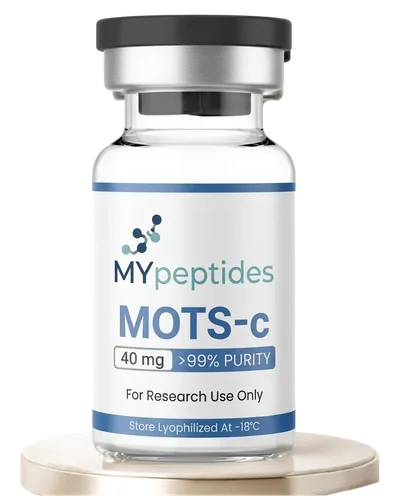
MOTS-c 40 mg research peptide vialLongevity

The Metabolic Catalyst

MOTS-c

40 mg · >99% purity

In stock

RM 480
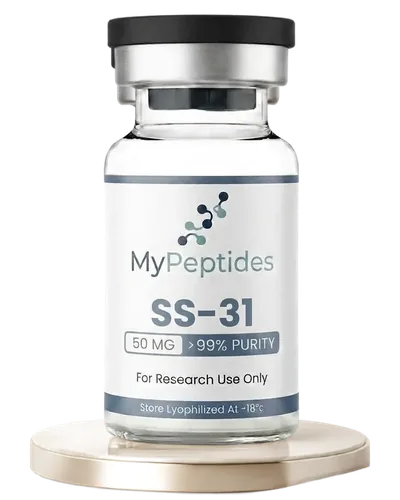
SS-31 50 mg research peptide vialLongevity

The Cellular Protector

SS-31

50 mg · >99% purity

In stock

RM 550